
Whale Season in Los Cabos 2026–27: When, Where and How to See Humpbacks
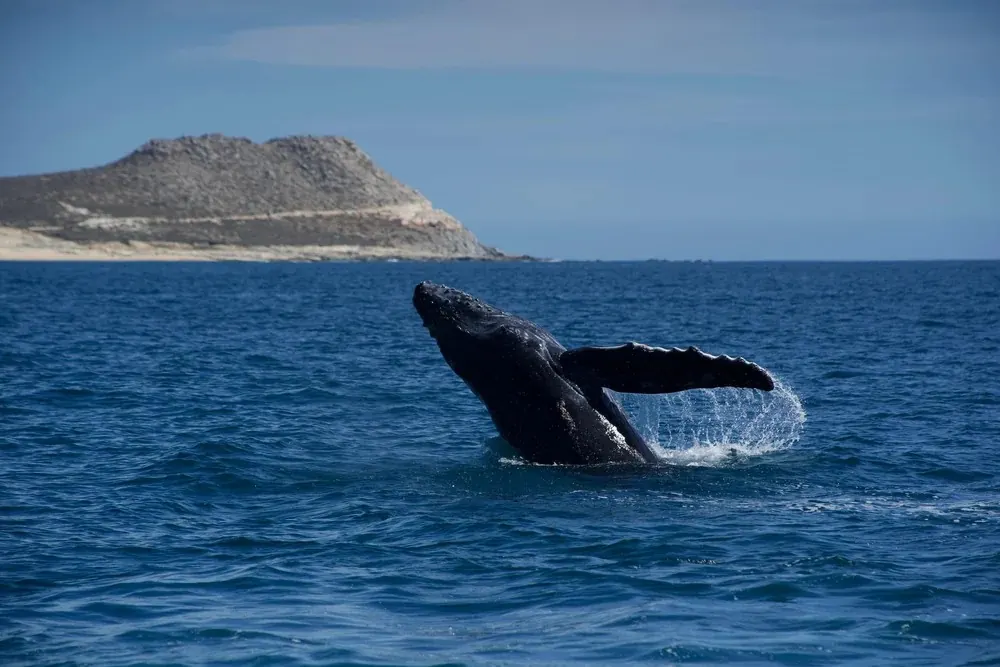
Every winter, the ocean off San José del Cabo fills with giants. Humpback whales arrive from their summer feeding grounds in the North Pacific — Alaska, Canada and the US West Coast — after a journey of thousands of kilometres, to mate, give birth and raise their calves in the warm waters where the Pacific meets the Sea of Cortez. For the next few months, they are our neighbours.
Our 2026–27 whale-watching departures start on 16 November. Here is everything you need to plan your encounter.
When is the best time to see whales?
- November: the first humpbacks arrive. Sightings are possible, and the boats are quieter.
- December to March: peak season. Most days bring several groups, mothers with calves and the most surface activity.
- April: the last whales start heading north. Still possible, especially early in the month.
Humpbacks are not the only ones. Between December and May, blue whales and fin whales pass through these waters, and Bryde's whales can show up almost all year. You can see the whole year month by month in our species calendar.
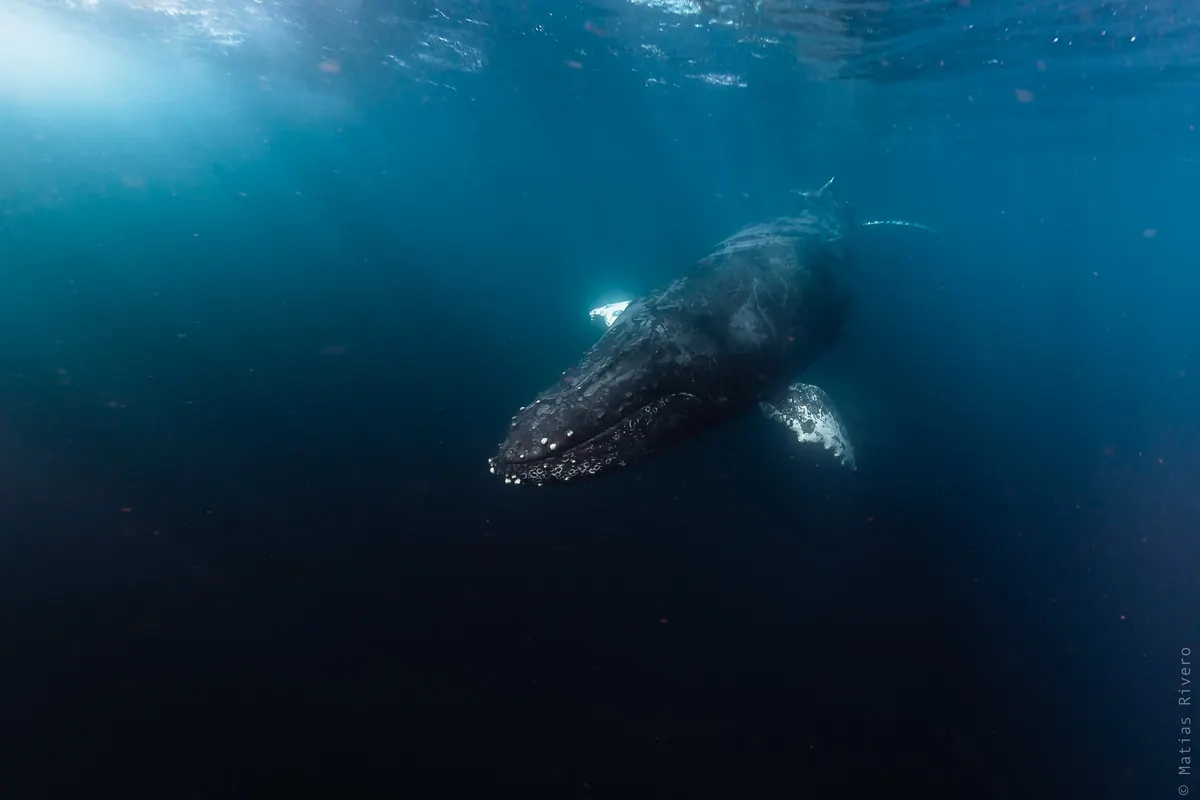
What will you see?
Humpbacks are the acrobats of the ocean. On a good day you may see them breach — launching almost their whole body out of the water — slap the surface with their tails and long white pectoral fins, or travel in small groups of males competing for a female. Mothers with young calves tend to move slowly near the surface, and these quiet moments are often the most moving of all. In winter the males also sing: long, complex songs that carry for kilometres underwater.
No two trips are the same. The whales decide the show — our job is to find them and give them the space to be themselves.
How we watch whales: Ocean First
Whale watching in Mexico is regulated (NOM-131-SEMARNAT-2010), and we take it a step further with our Ocean First policy:
- Small groups: eight guests per boat, max. No crowds at the rail, everyone gets a view.
- Respectful distance: we approach slowly and keep our distance, never cutting across a whale's path or separating a mother from her calf.
- The whale decides: if a whale wants to come closer, we let it. If it moves away, we let it go.
- Your guide explains it all: before we leave, we talk you through how we approach the whales and what to look for.
The expedition
Our Whale Watching expedition lasts 2 hours, with departures at 9:00 am or 2:00 pm from the Puerto Los Cabos marina in San José del Cabo. It is easy and suitable for all ages, so it works for families with kids and grandparents alike. Drinks on board.
Want more than humpbacks? Our 5-hour Ocean Safari heads further offshore, where in winter you may also find blue whales, dolphins and sea lions.
Tips for your trip
- Book early for December to February: it is the busiest time of the year, and with eight spots per boat, dates fill up.
- Bring a light jacket: winter mornings on the water can feel cool, even in Los Cabos.
- Sunglasses, a hat and reef-safe sunscreen.
- Camera ready, but don't forget to look up from the screen. Breaches happen in a second.
- If you get seasick easily, take your usual remedy before the trip.
See you on the water this winter. Enjoy the dip.
Small groups, eight guests per boat, led by the founders.
See the expeditions →